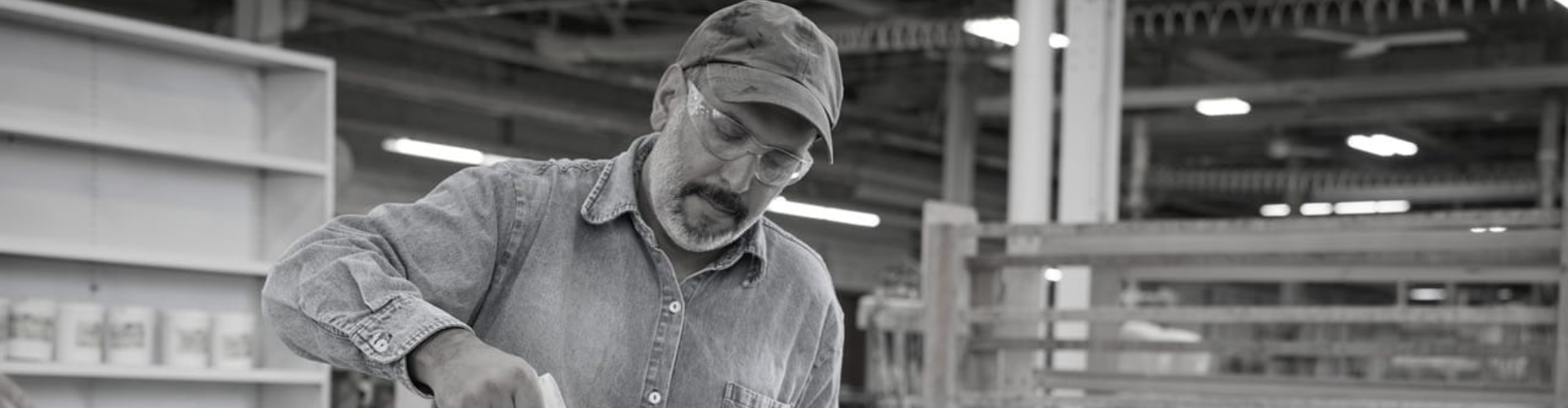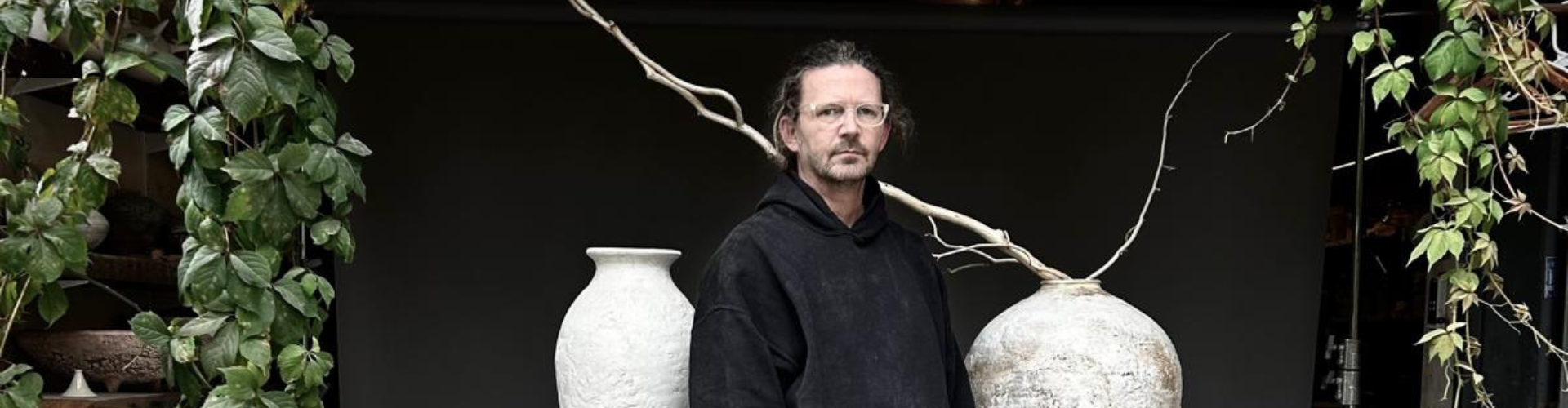
When speaking with artist Thomas Bollmann, there is an immediate sense of precision in his approach to his practice. Originally from Berlin, Thomas spent more than 20 years as a photographer before turning to ceramics, a medium that now defines much of his creative life. Over the past five years, clay has become both his material and his language for exploring texture and form.
From Photography to Clay
Thomas’s artistic foundation was formed in Berlin, where he grew up surrounded by ceramic artists in a community that valued making, even with limited resources. “We had no kilns, no clay around, and you had to improvise everything,” he recalls. This early exposure taught him to work with what was available and shaped his tactile, process-driven creative process.
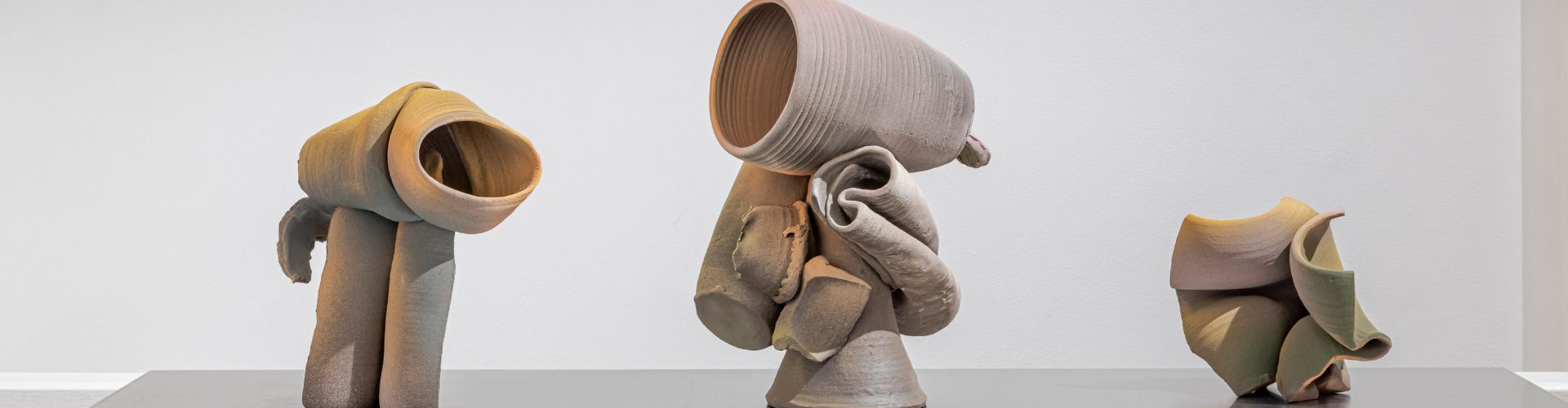
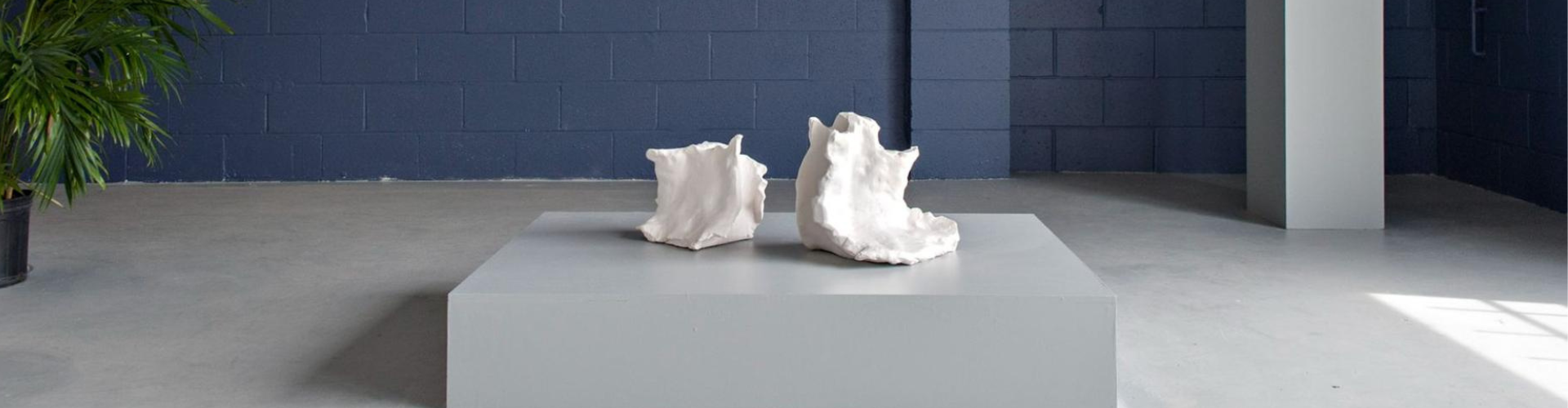
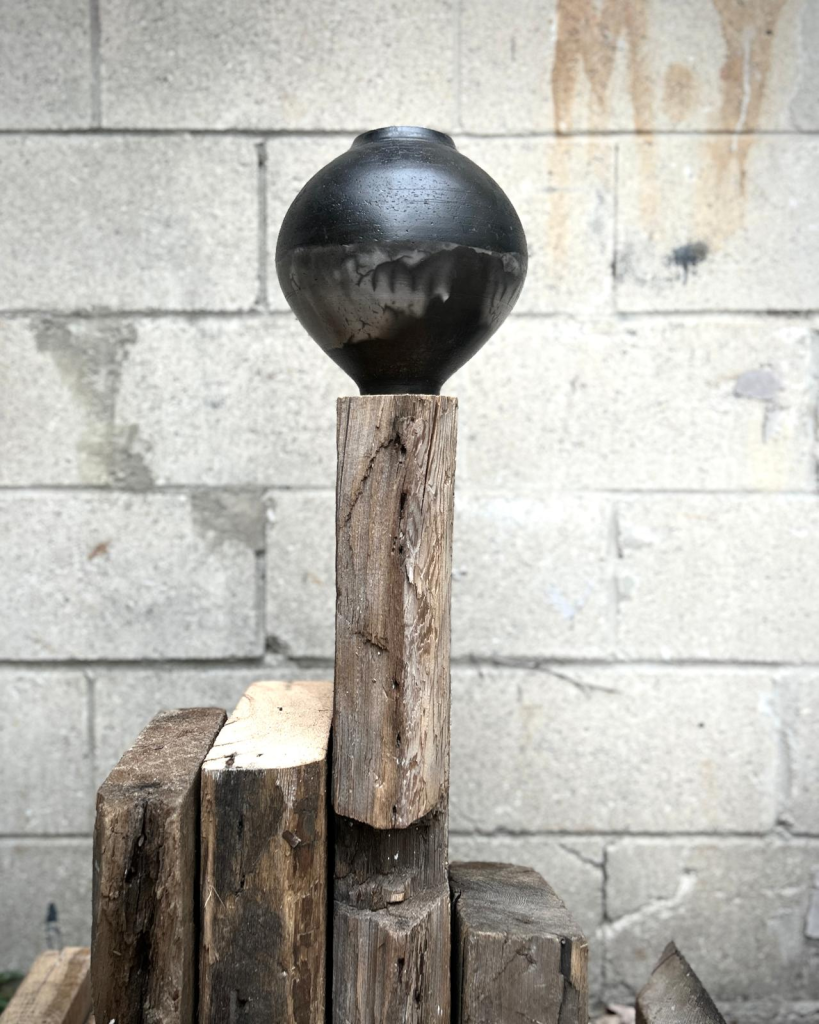
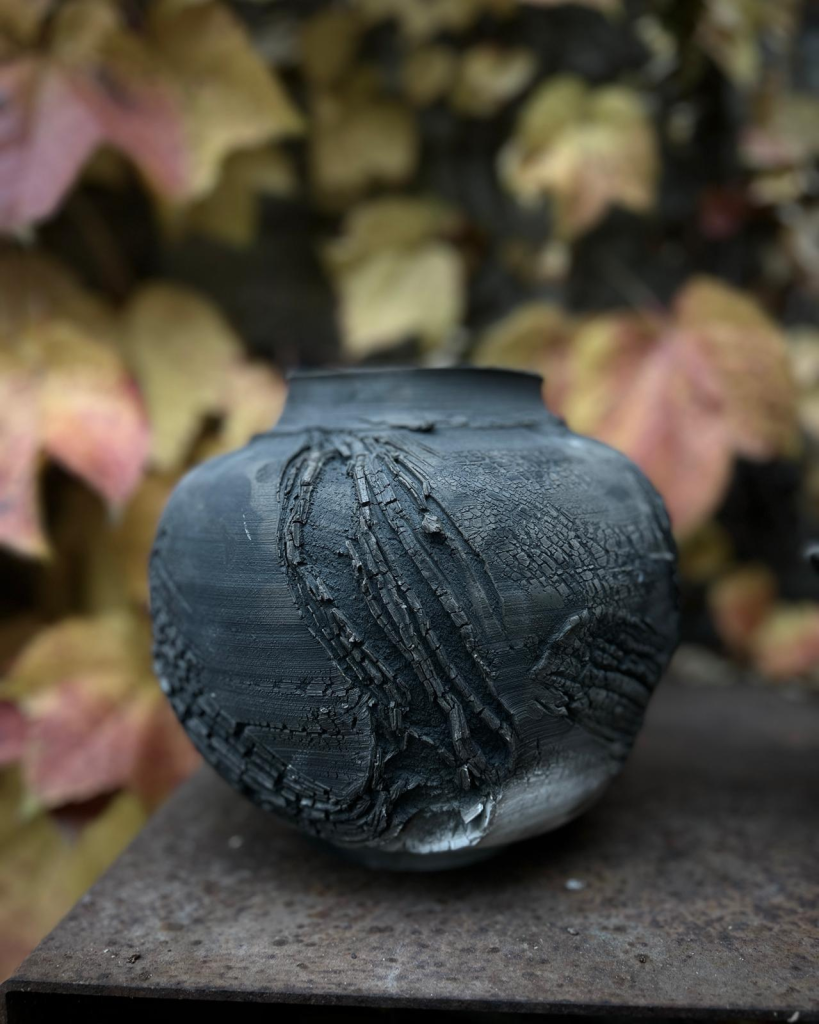
Today, that sensibility continues to inform his ceramics. Thomas’s works are unrefined and expressive, often revealing the natural qualities of the clay body. Rather than pursuing refinement or ornate detailing, Thomas focuses on the material’s inherent character. “I am interested in clay as mud, as something raw and alive,” he explains. His pieces often favor coarse textures and muted tones, achieved through experimentation with different clays, slips, and smoke firing techniques rather than heavy glaze applications.
The Connection Between Light and Texture
Though Thomas’s shift from photography to ceramics might seem like a change of discipline, he views both practices as interconnected. “Photography and ceramics are not that different,” he says. “Both are about light, texture, and how an object interacts with its surroundings.”
For him, surface and light remain central to how a work communicates. “When I make a mug or a vessel, I want it to be inviting to hold or use,” he explains. “It is not about decoration or drawing on the surface, but about how the texture and form respond to light and invite touch.”
A Thoughtful Process
Thomas approaches the making process with intention. “I do not let the clay guide me,” he admits. “I always begin with a clear plan or idea. Sometimes it may not end up exactly as imagined, but the process of realizing that form is where the work develops, which is also the interesting part.” His practice involves repetition and testing, refining forms through multiple iterations until the result aligns with his vision.
Thomas describes his attraction to ceramics as the ability to bring an idea to life. “The moment you can make something in clay and turn it into stone, it becomes part of a different timeline. You can make something extremely filigree and rustic, and they can far outlive you.”
Community and Collaboration
Thomas joined the Clay Space community during the early months of the pandemic, just as Clay Space was started. “I needed access to materials and technical support,” he recalls. “The clay community is very different from the photography world. It is open, diverse, and generous. People share knowledge freely, and that sense of support has been important to me.”
He also documented the early stages of Clay Space’s development through photography, capturing images of Clay Space Studio before it opened. Those images, bright and full of potential, reflect the same appreciation for space and light that informs his ceramic work.
Featured Works for the Holiday Sale
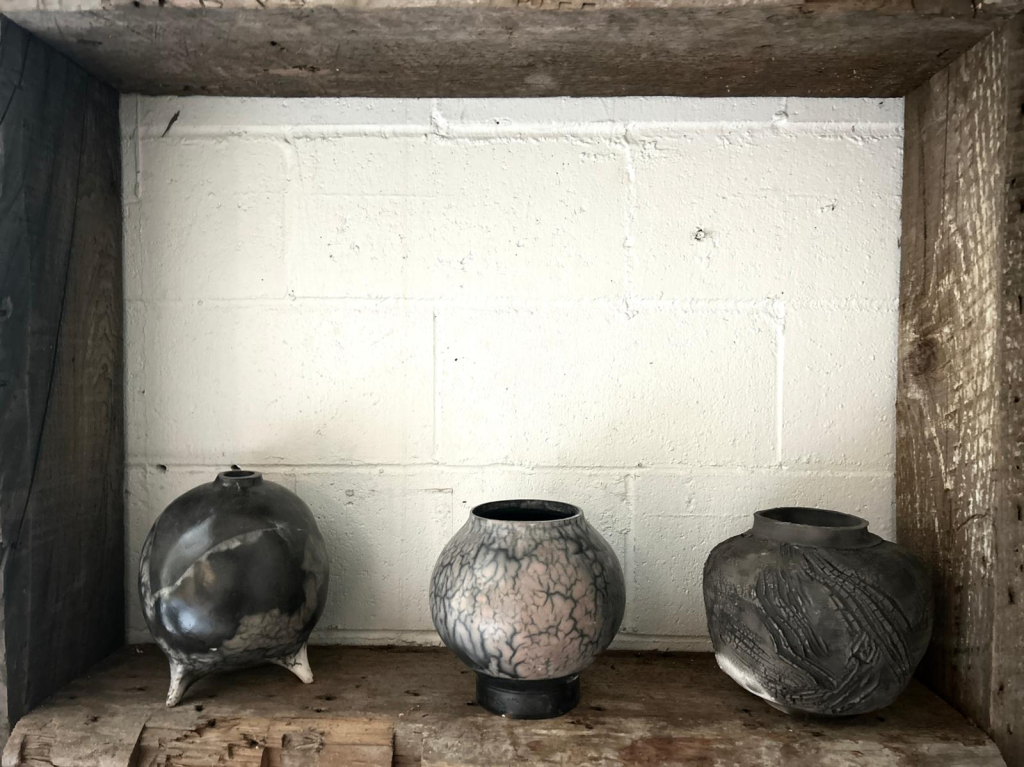
For the upcoming Clay Space Studio Holiday Sale, Thomas will present a curated selection of functional and Raku-fired pieces. His collection includes functional forms such as cups, mugs, and plates, characterized by minimal glazing and textural variations.
The series of Raku vessels was finished with a specialized food-safe sealant. Traditionally, Raku pieces are porous and decorative, but Thomas’s approach bridges the functional and the expressive. “These pieces are extremely unique,” he explains. “They retain the tactile surface of smoke firing but can also be used safely. Each one is unique and will never be replicated.”
He describes one particular cup that has traveled with him for years, made by his aunt in Berlin two decades ago. “It is fragile, but it follows me everywhere. Handmade pieces carry memory, and that is what I want to create for others.”
A Practice Grounded in Material and Mindfulness
Thomas continues to explore how clay, surface, and form interact to create a sensory experience. His work sits comfortably between design and sculpture, with a focus on tactility and atmosphere rather than ornamentation. Each vessel invites engagement through touch and use, creating a quiet dialogue between maker, material, and viewer.
When asked if he has a message to share, his answer is simple: “Get off the screen and do something with your hands. Get dirty. It’s good for your mind.”
About the artist
Trained in Berlin at Best Sabel School of Design, Thomas earned his diploma in photography and photodesign in 2003. In 2004 he moved to Toronto where he continued his work in visual art. His awards and recognitions include the selection of his image “Tattoo” as the featured image for the European Month of Photography 2010, a Design Exchange Award for Best In Show in 2011, and recognition from the Design Exchange for his work as the lead photographer of Poor But Sexy magazine from 2009-2012. Thomas’ work in photography has been shown at the Künstlerhaus Bethanien and is held in private collections in North America and Europe.
Additionally, Thomas’ sculptural practice involves the ancient technique of Raku and forms derived from organic shapes. He is interested in the layering of textural components, through the use of slips and other media, to add tactility to his works. His pieces play with weightiness and form and often involve large vessels with small openings for the odd branch. Most of all he is fascinated by the fact that through fire, water and mud one can shape meaningful figurative objects in a digital age.
Artist Website: https://thomasbollmannceramics.com/